

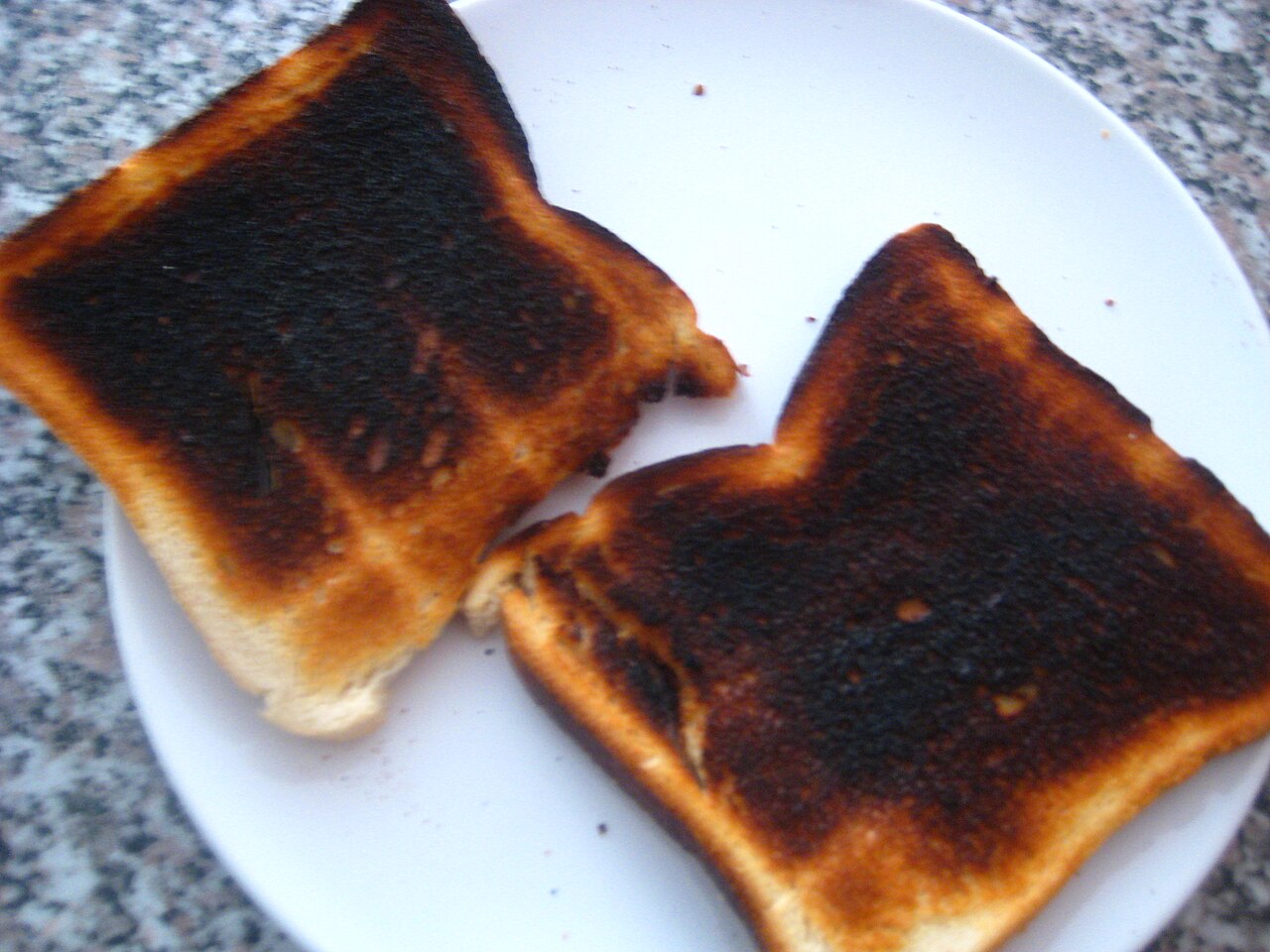
My cousin, who’s fifteen, replied to a photo of my burnt toast with “ts pmo fr.” I had to ask her what it meant, which she found hilarious. If you’re in the same spot, pmo meaning slang is simple once someone spells it out: “pisses me off.” She wasn’t angry at me. She was being dramatic on behalf of the toast.
The three-word phrase behind it
Pisses, me, off. The middle letter is the giveaway, because it makes the phrase personal. It’s about how the sender feels, not about whether something is objectively bad. A song can pmo one person and be another person’s favourite.
That’s also why it usually follows something specific. “Group projects pmo.” “When the bus driver sees you running and leaves anyway, pmo.” The sentence names the thing, and pmo gives the verdict.
Why “ts” keeps showing up
“Ts” means “this,” and the two got glued together in comment sections. “Ts pmo” became a reaction you could post under almost anything mildly irritating. Add “fr” (for real) and you’ve got the full teenage review: “ts pmo fr.”
You might also spot “lowkey pmo,” meaning it’s a small annoyance, and “deadass pmo,” which is more serious.
How strong is it?
Not very, most of the time. Think of the level of annoyance you’d feel when your shoelace snaps. It’s real, but nobody’s ruining a friendship over it.
The exception is when it’s aimed at a person in a direct message. “You pmo sometimes” is a complaint, even if it’s typed casually. Pay attention to that one.
Spotting the joke versus the complaint
A few signals help:
Emojis like 😭 or 💀 almost always mean the sender is laughing, even while “complaining.”
A subject that can’t be helped, like weather or a slow app, means it’s venting.
A subject that’s about your behaviour, in a private chat, with no emoji, means they’re actually bothered.
The office meaning
If you’ve seen PMO at work, that’s the project management office, the people who keep schedules and budgets on track. Nobody in that department is annoyed by default, whatever their colleagues joke. Capitals and a formal setting point to this meaning. Lowercase in a chat points to slang.
Should adults use it?
You can, but it may come across as trying too hard, much like a parent saying “no cap.” If you use it with friends your own age who already talk that way, it’s fine. With younger relatives, expect some teasing.
It’s also mild swearing, so it doesn’t belong in work emails or anything formal. “That’s annoying” covers the same ground.
Good replies
When a friend vents with pmo, keep it light: “honestly same, my bus was late too.” When it’s a meme comment, a laughing reaction is enough. When it’s about you, drop the slang and say something real, like “sorry, I didn’t mean to cancel last minute.”
Similar shorthand
“Smh” (shaking my head) is quieter disapproval. “Fml” is about your own bad luck rather than something annoying you. “Ick” is more about disgust. Pmo sits right in the middle: annoyed, a little loud, usually not that deep.
Where it fits in a conversation
Pmo usually lands at the end of a message, like a full stop with feelings. “Waited forty minutes for a table, pmo.” Putting it first (“pmo when people do this”) turns it into a general complaint about a type of behaviour. Either way, the sender wants agreement more than advice, so a fellow grumble works better than a solution.
Why I’m glad I asked
Slang moves quickly, and nobody keeps up with all of it. My cousin was happy to explain, and now I use “ts pmo” whenever the toaster betrays me. If you’d rather not ask a teenager, meaningsverse.com has short explanations of the newest terms. Either way, you won’t be stuck staring at three letters for long.
